


Food Processing
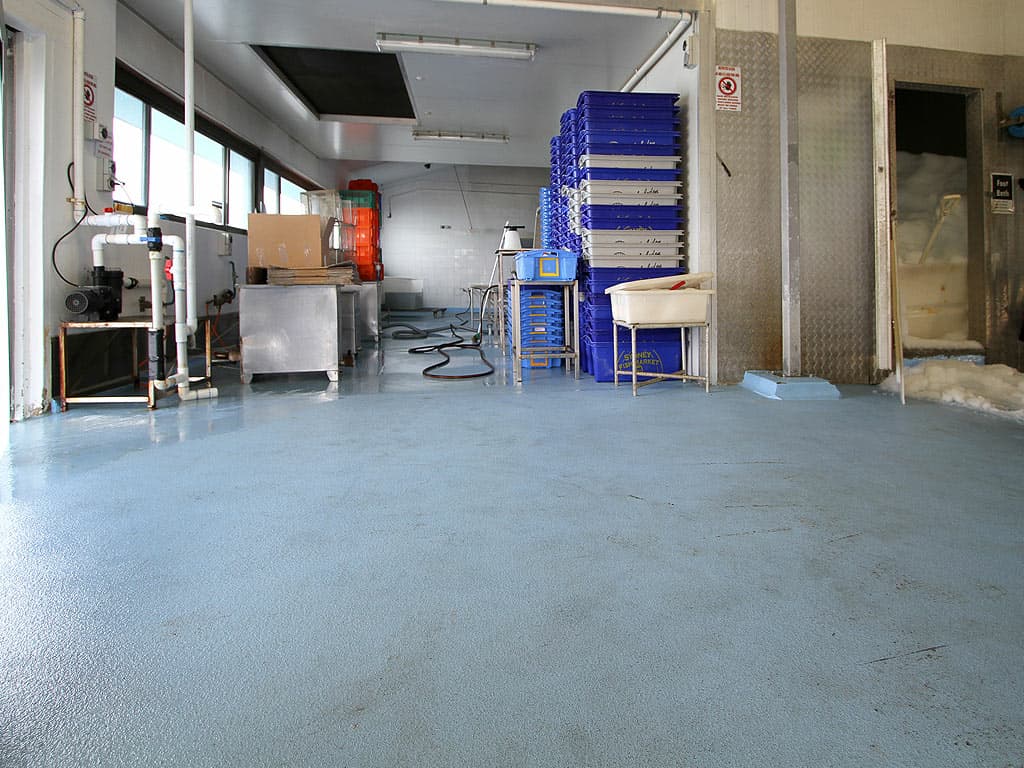
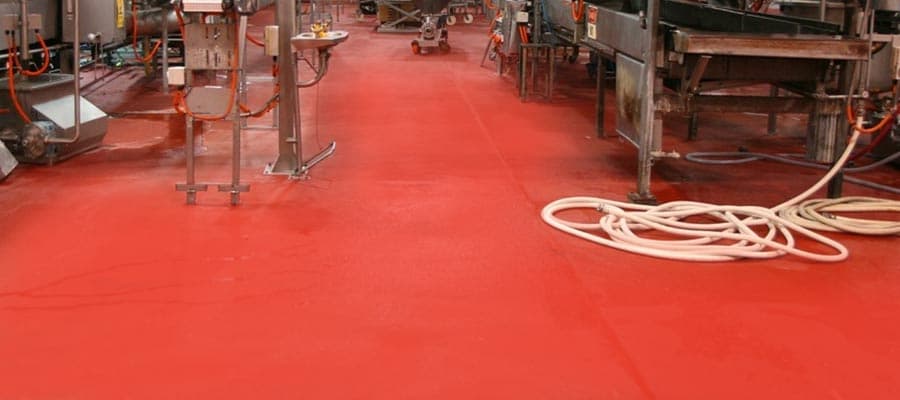
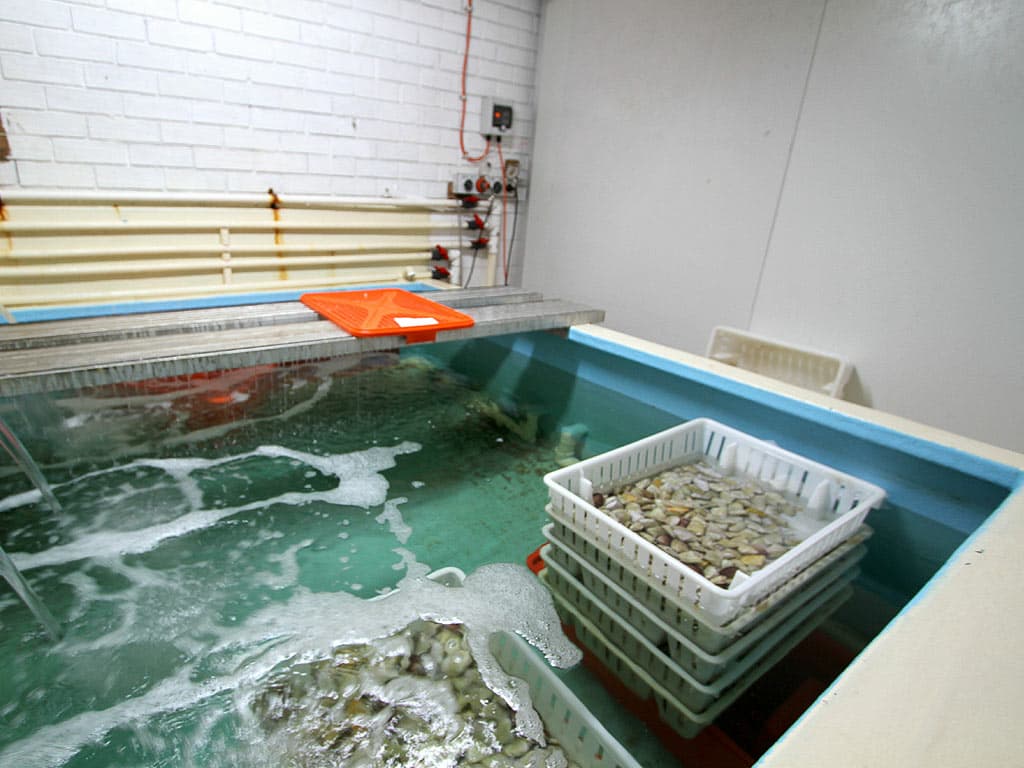
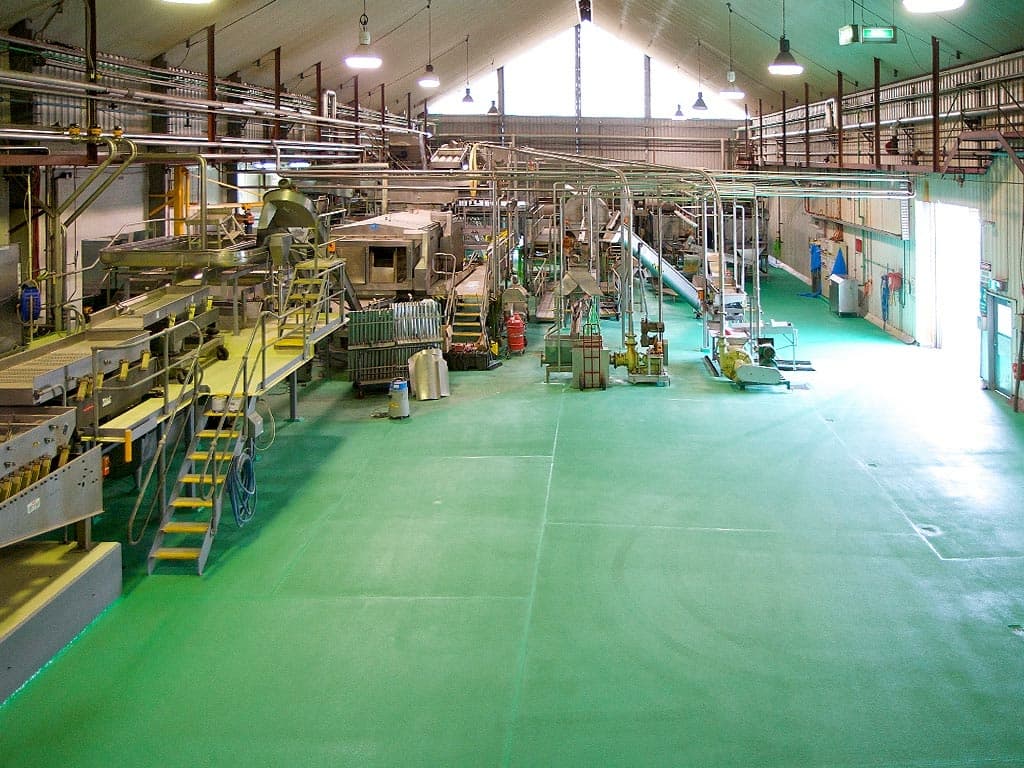
Food Safe Flooring Solutions for Food Processing Facilities
Ensuring Hygiene and Safety in Food Industries
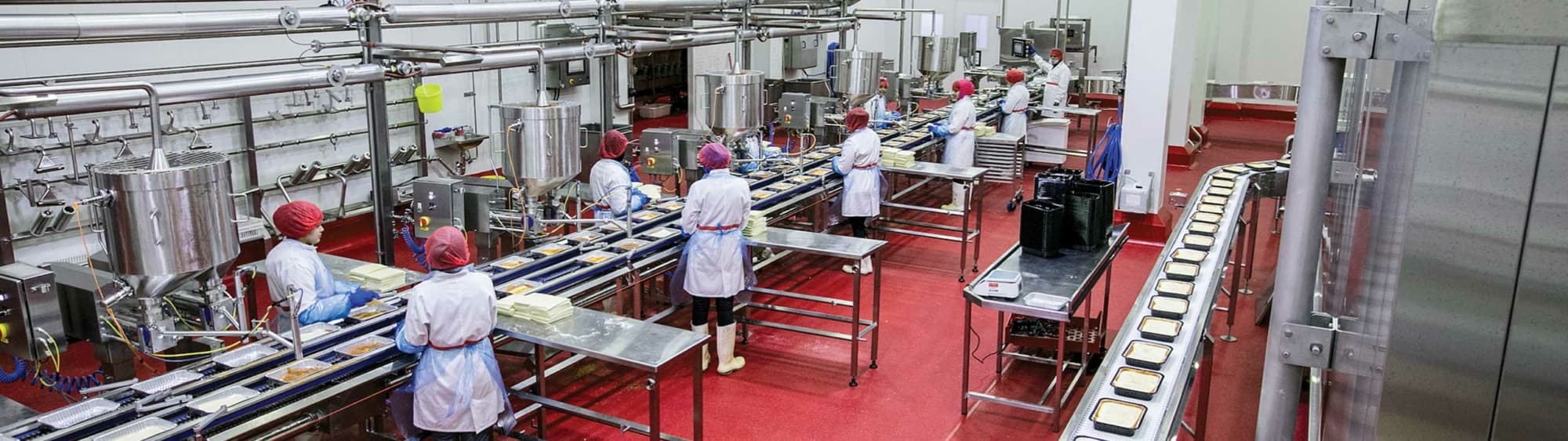
In the rapidly evolving food industry, ensuring hygiene and safety is of paramount importance. One critical aspect that often goes overlooked is the flooring material used in food establishments such as restaurants, kitchens, and food processing facilities.
Food safe flooring is specifically designed to meet the stringent hygiene standards required in these environments. It plays a pivotal role in preventing contamination, protecting both consumers and businesses alike.
Key Areas:
- Wash Down Areas
- Processing Areas
- Preparation Rooms
- Cool Rooms
- Cooking & Canning Areas
- Frozen Food Areas
- Fresh Food Areas
- Extruder Areas
The importance of food safe flooring cannot be overstated. As the first line of defence against microbial growth, spills, and other contaminants, it plays a critical role in maintaining food safety. Beyond durability, quality flooring is designed to prevent the buildup of dirt, bacteria, and hazardous substances, making cleaning and maintenance more efficient while supporting a healthier food preparation environment.
Equally vital is compliance with health regulations. Government food safety standards require all aspects of a facility—including flooring—to meet strict guidelines. Failure to comply can result in fines, closures, or lasting damage to a business’s reputation. For this reason, food safe flooring is not just a practical option but an essential requirement for operational integrity.
In summary, selecting the right flooring is key to achieving and maintaining high standards of hygiene and safety. Recognising its importance enables decision-makers to invest in solutions that protect products, staff, and customers alike. The following sections will explore the materials, installation methods, and maintenance practices that make food safe flooring indispensable in today’s food industry.
Key Challenges
- HACCP & Quality Assurance
- Extreme Temperature Protection
- Excellent Aesthetics
- Fast Installation
- Long lasting durable solution
Key Characteristics of Food Safe Flooring
Food Safe Flooring Materials
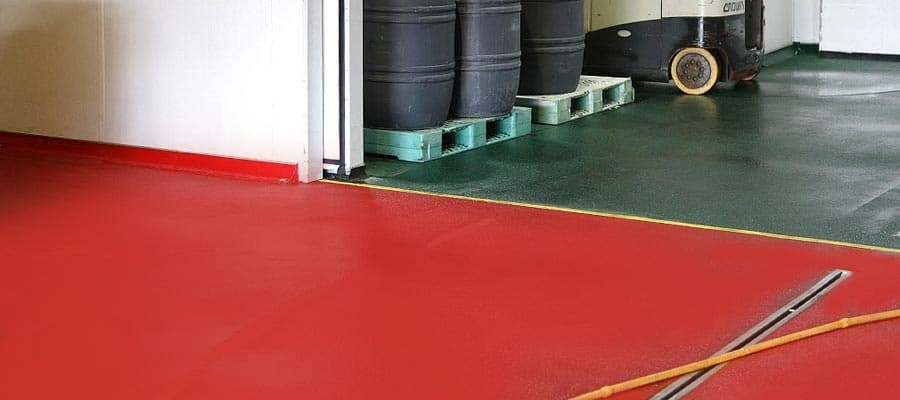
When selecting flooring for food-related establishments, hygiene and safety must take priority. Food safe flooring is designed to meet strict standards, making it suitable for kitchens, processing plants, and other high-demand environments.
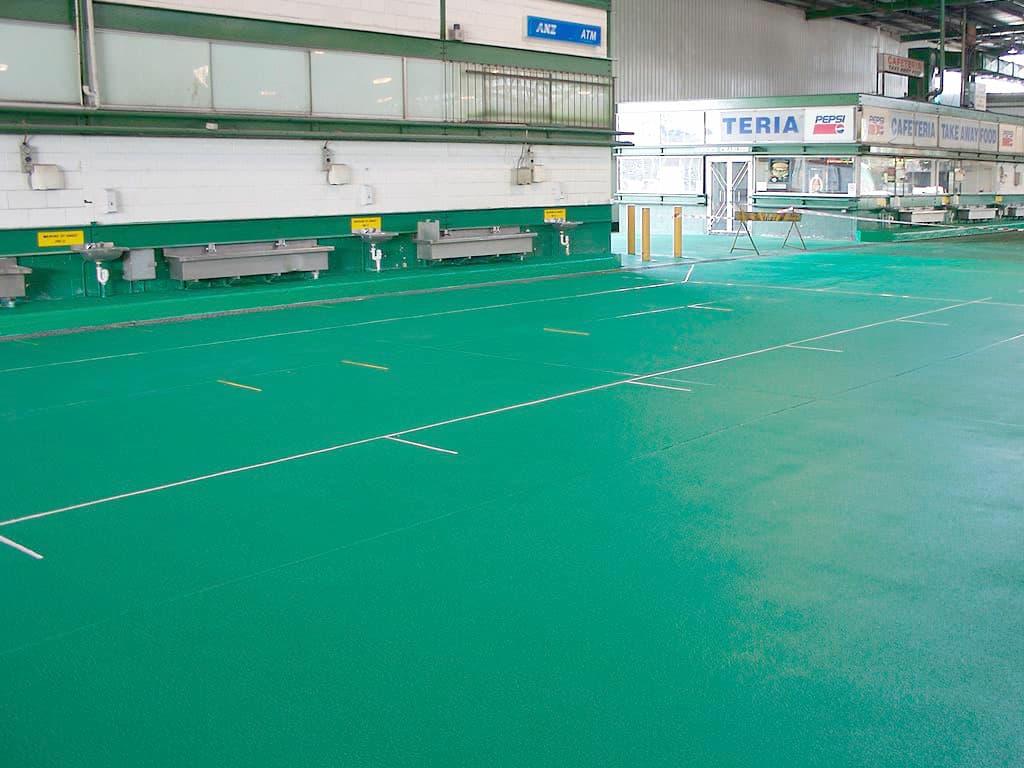
Moisture resistance is essential, as it prevents mould and bacterial growth in areas prone to spills. Slip resistance is equally important, with textured or non-slip finishes reducing the risk of accidents in wet or greasy conditions.
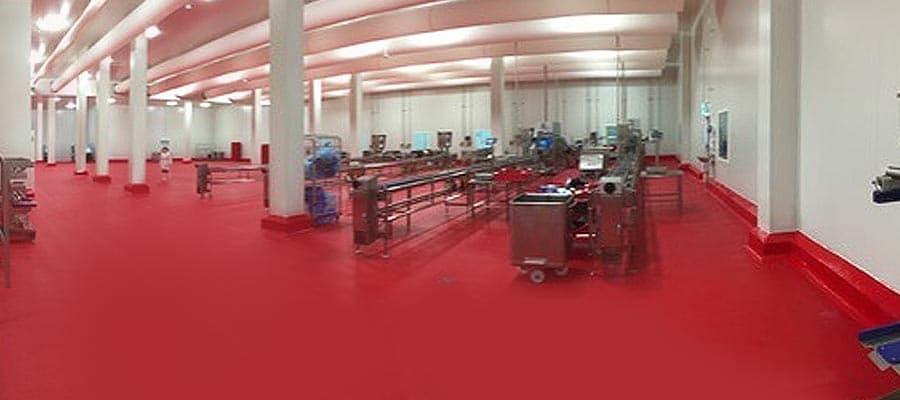
Seamless, easy-to-clean surfaces also support better sanitation by eliminating grout lines where dirt and bacteria collect. Durability is another key factor—floors must withstand heavy traffic and constant movement without losing integrity.
Finally, food safe flooring should resist harsh cleaning agents and extreme temperatures. By combining these qualities, materials such as epoxy and vinyl ensure long-lasting safety, hygiene, and efficiency in food environments.


Our Clients
Recent Projects

A Perfect Formula for Chiko Roll
Since its first appearance at the Wagga Wagga Show in 1951, the CHIKO Roll has become an Aussie favourite, providing a quick and tasty snack for generations of Australians. Today CHIKO rolls are produced in Bathurst, NSW, by Simplot Australia, and are made from a unique robotic machine that creates the pastry and the filling of

A Spicy New Coating for Jewel Fine Foods
Jewel Fine Foods opened its doors in 1997 as a small restaurant that was renowned for their fantastic tasting curries, three years later they were producing food for the Olympic Games in 2000. In 2008, Jewel introduced chilled ready to eat Indian meals to major Australian supermarkets, such as Coles

Simplot Tasmania
As one of the biggest food service providers in Australia, Simplot Australia wanted a high performance, ultra hard wearing floor for its vegetable factory which is regarded as one of the most modern and efficient facilities of its kind in the world. Simplot’s Tasmanian plants produce $600m to the Tasmanian